
Bell launches campaign to sell Aussies V-280 Valor tiltrotor
A top Bell executive is spending this week's Land Forces conference meeting with top Australian Army officials to start pitching the V-280 Valor.
A top Bell executive is spending this week's Land Forces conference meeting with top Australian Army officials to start pitching the V-280 Valor.


Bell’s V-280 Valor builds upon 600,000 hours of experience with the V-22 tiltrotor with a clean-sheet design to meet the Army’s requirement for an air-assault platform.

Supply chains are only as strong as their weakest link, which has been repeatedly proven to be true over the last few years.

In the competition for the Future Long Range Assault Aircraft, high agility and low life-cycle costs matter most, a former Marine tiltrotor test pilot argues.

The Army has learned from the Comanche scout chopper debacle, where it spent $9 billion in today’s dollars to get just two prototypes. With Future Vertical Lift, $7 billion will get 18 prototype aircraft, counting both the FARA scout and FLRAA transport.

Bell and Sikorsky have started building their competing prototypes for the Future Attack Reconnaissance Aircraft (FARA) ahead of a Final Design Review in November. The vital digital architecture is still in development.

Earlier this year, the purchase of 12 tiltrotors was indefinitely postponed for lack of funds. Now the new defense minister – and prospective prime minister – wants to change that.

A commitment to long-term operational value.

Zoom in on the Sikorsky-Boeing and Bell contenders to replace the UH-60 Black Hawk with exclusive photographs.
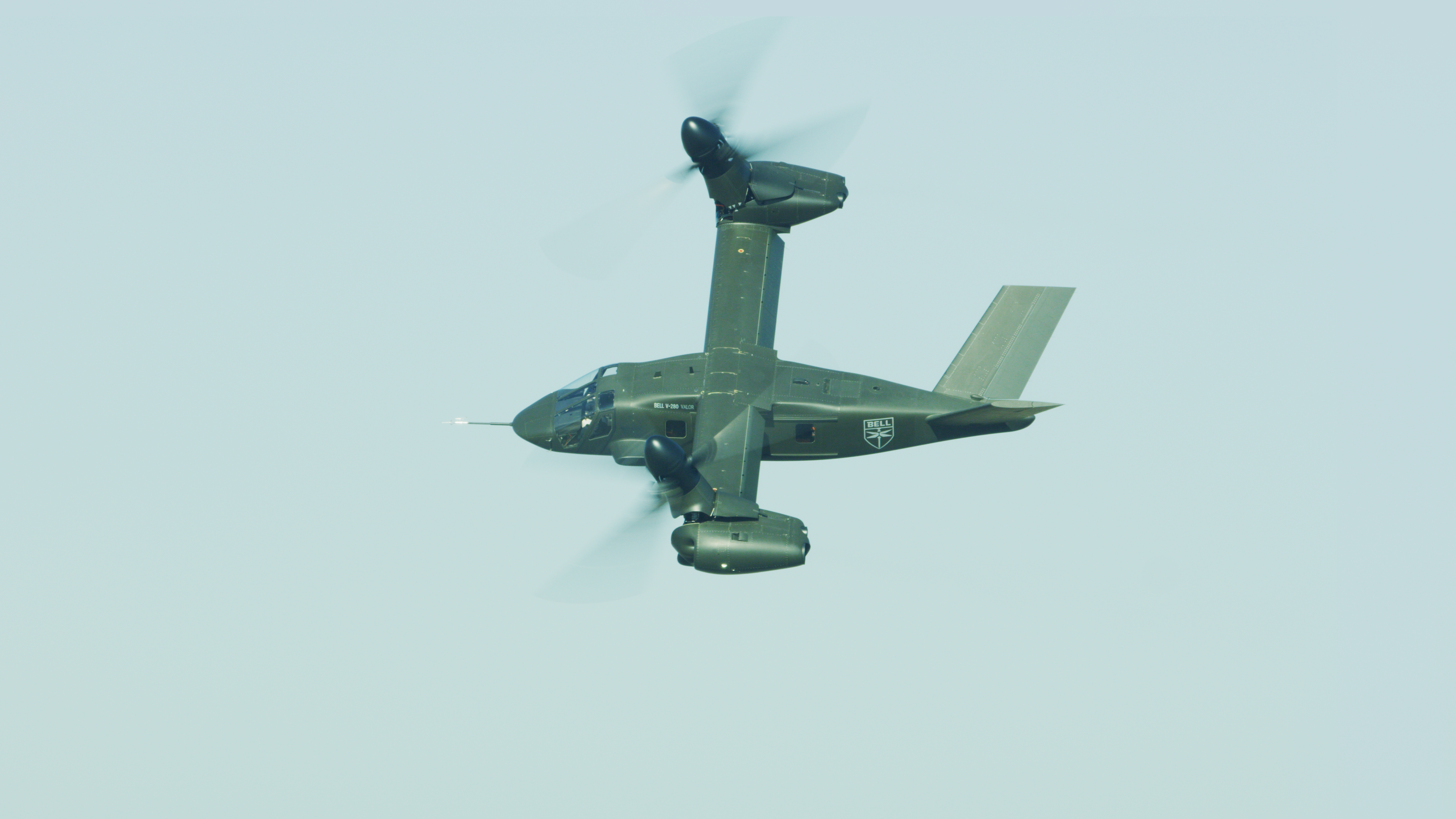
The Army is skeptical that early models of the Future Vertical Lift aircraft will be able to fly unmanned. But Bell says it’s already flight-tested all the essential automation.

How does a company best known for designing tiltrotors, which are notoriously wide, meet an Army requirement for a scout aircraft that can fly down narrow streets?
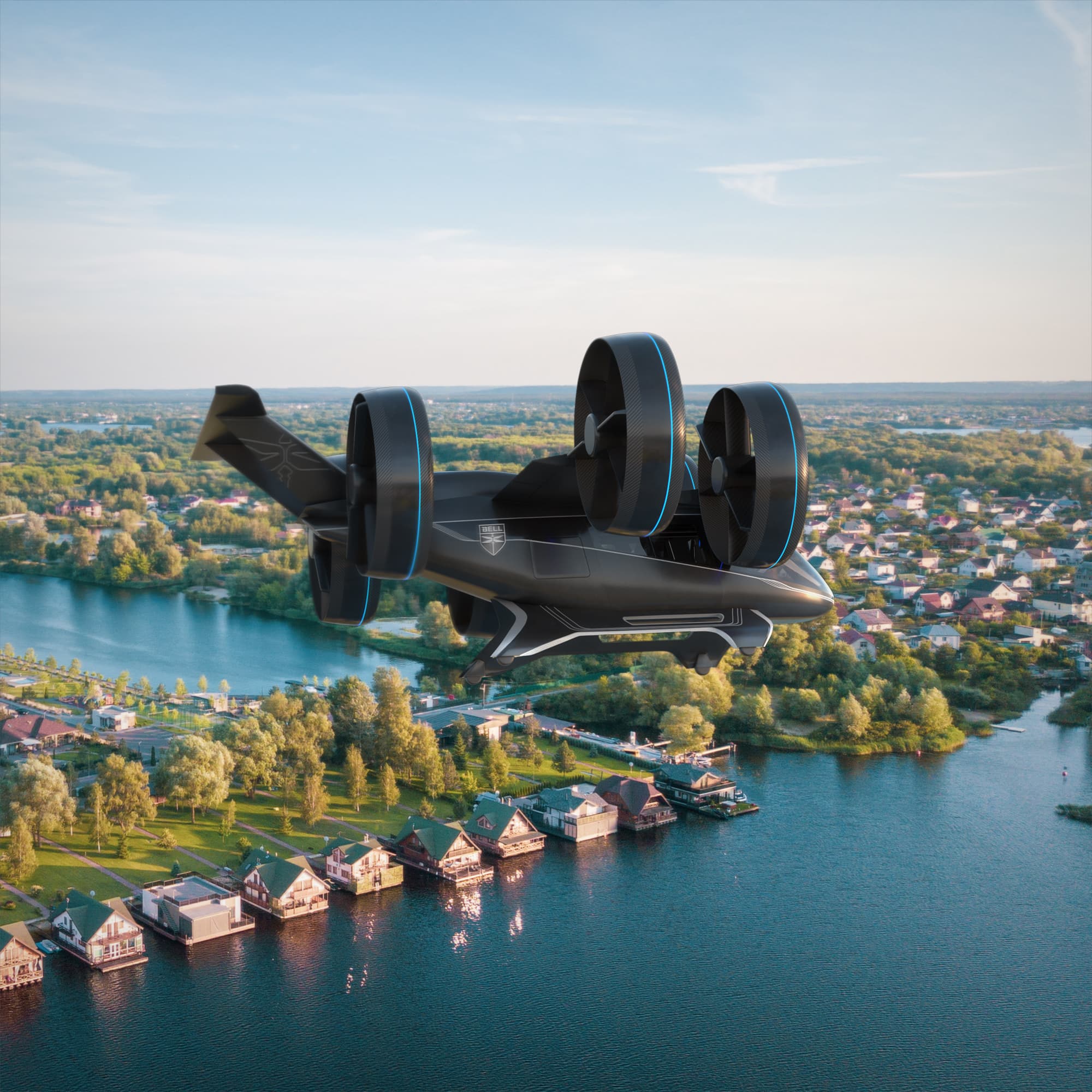
Other companies build planes. Other companies build helicopters. Bell’s “secret sauce,” its CEO says, is its aircraft can be both.
A commercial prototype in a sandbox is different from deploying AI across classified networks.

While Bell's rival V-280 uses tiltrotor technology, proven in widespread service on the V-22 Osprey since 2007, the Defiant uses Sikorsky's revolutionary compound helicopter technology, which promises superior agility -- but which has only actually flown in two experimental aircraft, the X2 and S-97 Raider, both of which are much smaller than Defiant.

"It’s much more like a fighter aircraft than a helicopter," Sikorsky's test pilot tells me in the video as he maneuvers gleefully. "Whoa, warn me next time!" I say after a particularly nifty/nauseating roll.

The Future Attack Reconnaissance Aircraft (FARA) must have enough artificial intelligence to fly unmanned at least part of the time, a secure network to control drones, and combination of speed and range that's impossible for traditional helicopters.
Sikorsky and Boeing are saying that their aircraft is taking longer than Bell's because their design is more inventive -- harder, riskier, and more time-consuming, yes, but ultimately better. In particular, while the SB>1 looks like it'll be a little slower than the V-280, going by the companies' projections for top speed, Sikorsky and Boeing say their machine will be much more maneuverable.